Black History
Black history is american history!
At K H A S radio, we celebrate the deep roots and vibrant stories behind every note of R&B, jazz, gospel, and hip hop we play.
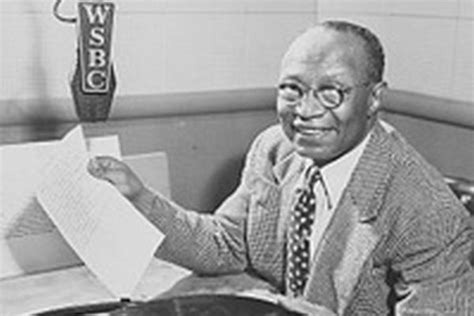
Jack L. Cooper: A Pioneer of Black Radio 🎙️
Jack L. Cooper broke racial barriers in broadcasting when he launched The All-Negro Hour in 1929 on WSBC Chicago. As the first Black radio announcer, Cooper created programming that celebrated African American culture, music, and community life—at a time when mainstream radio excluded Black voices or relied on stereotypes. His shows featured gospel, jazz, comedy, and public service segments, helping reconnect families during the Great Migration and giving Black performers national exposure.
Cooper’s work laid the foundation for future Black broadcasters and remains a cornerstone of American radio history.
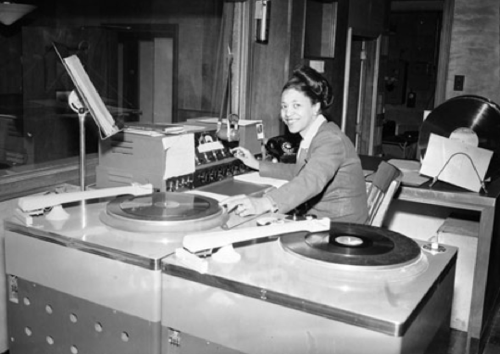
Mary Dee Dudley: A Trailblazing Black Female Radio Pioneer 🎙️
Mary Dee Dudley (born Mary Elizabeth Goode) is widely recognized as the first African American woman disc jockey in the United States. She made her historic debut on August 1, 1948, at WHOD in Pittsburgh, becoming a national sensation for her warm voice, sharp musical taste, and deep connection to her listeners.
Why She Matters
-
First Black woman DJ in U.S. radio history
-
Hosted her show from a storefront studio called “Studio Dee”, where fans could watch her broadcast live
-
Helped open doors for Black women in broadcasting during an era of extreme racial and gender barriers
-
Became a beloved community figure, using her platform to uplift Black culture and local artists
Mary Dee’s legacy lives on as a foundational figure who proved that Black women not only belonged on the airwaves—they could lead them.
✨ Influential Black Radio Broadcast Pioneers
Below are several trailblazers who shaped Black radio in the U.S., along with a concise write‑up to give you a strong sense of their impact.
🎙️ Hattie “Chatty Hatty” Leeper
-
One of the first Black women to become a radio announcer in the South.
-
Began her career at WGIV in Charlotte, NC, where she became known for her warm, engaging on‑air personality.
-
Broke gender and racial barriers in a male‑dominated industry and mentored future broadcasters.
-
Her influence extended into education, where she taught broadcasting and communication to new generations.
🎤 Nat D. Williams
-
A legendary DJ and journalist from Memphis.
-
Hosted the famous “Tan Town Jubilee” on WDIA, America’s first radio program with an all‑Black on‑air staff.
-
Helped launch the careers of icons like B.B. King and Rufus Thomas.
-
His mix of news, commentary, and music made him a cultural force during the Civil Rights era.
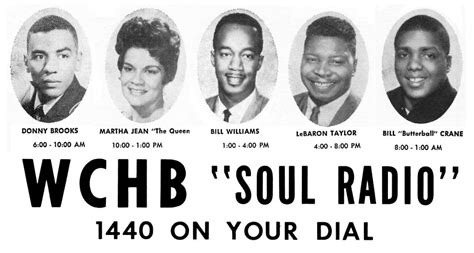
📻 Martha Jean “The Queen” Steinberg
-
A pioneering female DJ who became a beloved voice in Detroit radio.
-
Started at WDIA and later moved to WCHB Detroit, where she became known for her uplifting messages and community activism.
-
Eventually purchased her own station, WQBH, making her one of the few Black women to own a radio station.
-
Her spiritual and motivational broadcasts earned her national recognition.
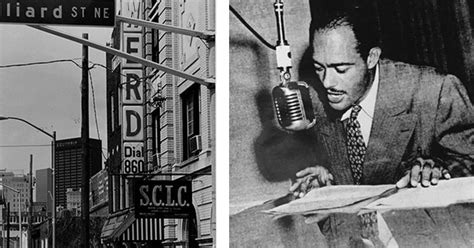
🏛️ Jesse B. Blayton Sr. (WERD Radio)
-
Founder of WERD (Atlanta), the first Black‑owned radio station in the United States (est. 1949).
-
Gave Black announcers, journalists, and entertainers a platform during a time when mainstream radio excluded them.
-
WERD became a hub for civil rights communication—Dr. Martin Luther King Jr. even used the station to broadcast messages to the community.
-
Blayton’s ownership opened the door for future Black media entrepreneurs.
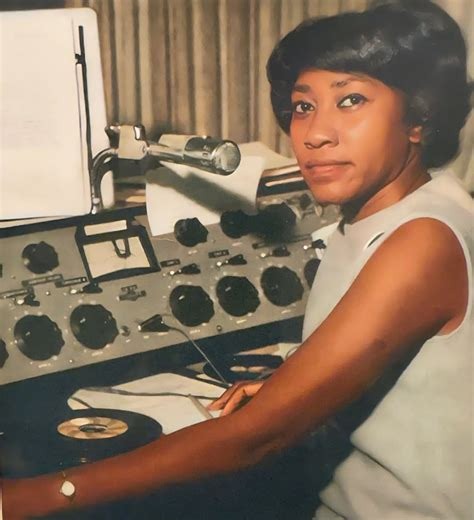
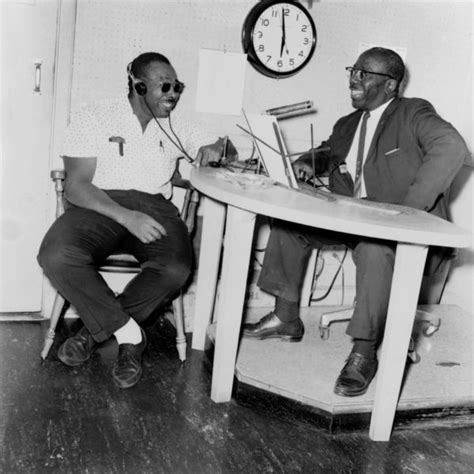
🌟 Tom Joyner
-
Began his radio career young and worked at multiple stations through the 70s and 80s.
-
In 1985, he famously accepted two radio jobs—one in Dallas and one in Chicago—and flew between the two cities daily for eight years, earning the nickname “The Fly Jock.”
-
Became nationally syndicated in 1994 with The Tom Joyner Morning Show, but his rise began in the 70s/80s era.
-
Known for championing HBCUs, voter registration, and health initiatives.
🌟 Frankie Crocker (“Hollywood Frankie”)
-
Program director and DJ at WBLS New York, the most influential Black FM station of the era.
-
Known for blending R&B, disco, jazz, and emerging hip‑hop — he helped define the Urban Contemporary format.
-
Famous for his smooth delivery, flamboyant style, and ability to break new artists.
-
A national tastemaker whose influence rivaled Joyner’s, especially in major markets.
🎤 Donnie Simpson
-
Began in radio as a teen in Detroit; by the late 70s/80s he was a star on WJLB Detroit and later WKYS Washington, D.C.
-
One of the first Black radio personalities to successfully cross into television (BET’s Video Soul).
-
Known for his warm voice, humor, and ability to connect with audiences across generations.
📻 Gary Byrd
-
Longtime host on WLIB and WBLS New York.
-
Known for deep community engagement, political commentary, and Afrocentric programming.
-
His mix of music, culture, and activism made him a major voice in Black radio during the 70s and 80s.
🎧 Hank Spann
-
A dominant voice on WDIA Memphis and later WWRL New York.
-
Known for his booming delivery and ability to energize listeners.
-
Helped shape the sound of R&B and soul radio during the 70s.
🎶 Vy Higginsen
-
One of the first Black women to host a prime‑time radio show in New York.
-
A key personality at WBLS during the 70s and 80s.
-
Later became a publisher (Unique NY) and producer (Mama, I Want to Sing!), but her radio presence was foundational.
🎤 Ken “Spider” Webb
-
Morning show host at WBLS New York, known for comedy, characters, and high‑energy delivery.
-
A major influence on the style of modern urban morning radio.
📡 E. Rodney Jones
-
Chicago radio legend at WVON, active from the 60s through the 80s.
-
Known for breaking new artists and shaping the Chicago soul sound.
-
A peer to Joyner in the Chicago market before Joyner became nationally syndicated.
🎙️ Jocko Henderson
-
Though he began earlier, he remained influential into the 70s and early 80s.
-
Known for his rhyming, rhythmic delivery — a precursor to hip‑hop MCs.
-
Worked in both Philadelphia and New York.
Our Legacy
Honoring black music’s rich past.
R&B Roots
Celebrating soulful rhythms and melodies.
Gospel Spirit
Uplifting voices that inspire hope
Jazz Vibes
Smooth sounds that tell stories.
Hip Hop
Beats that move the soul.
→
→
→
→
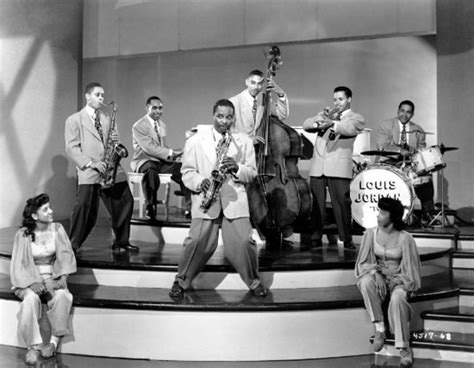
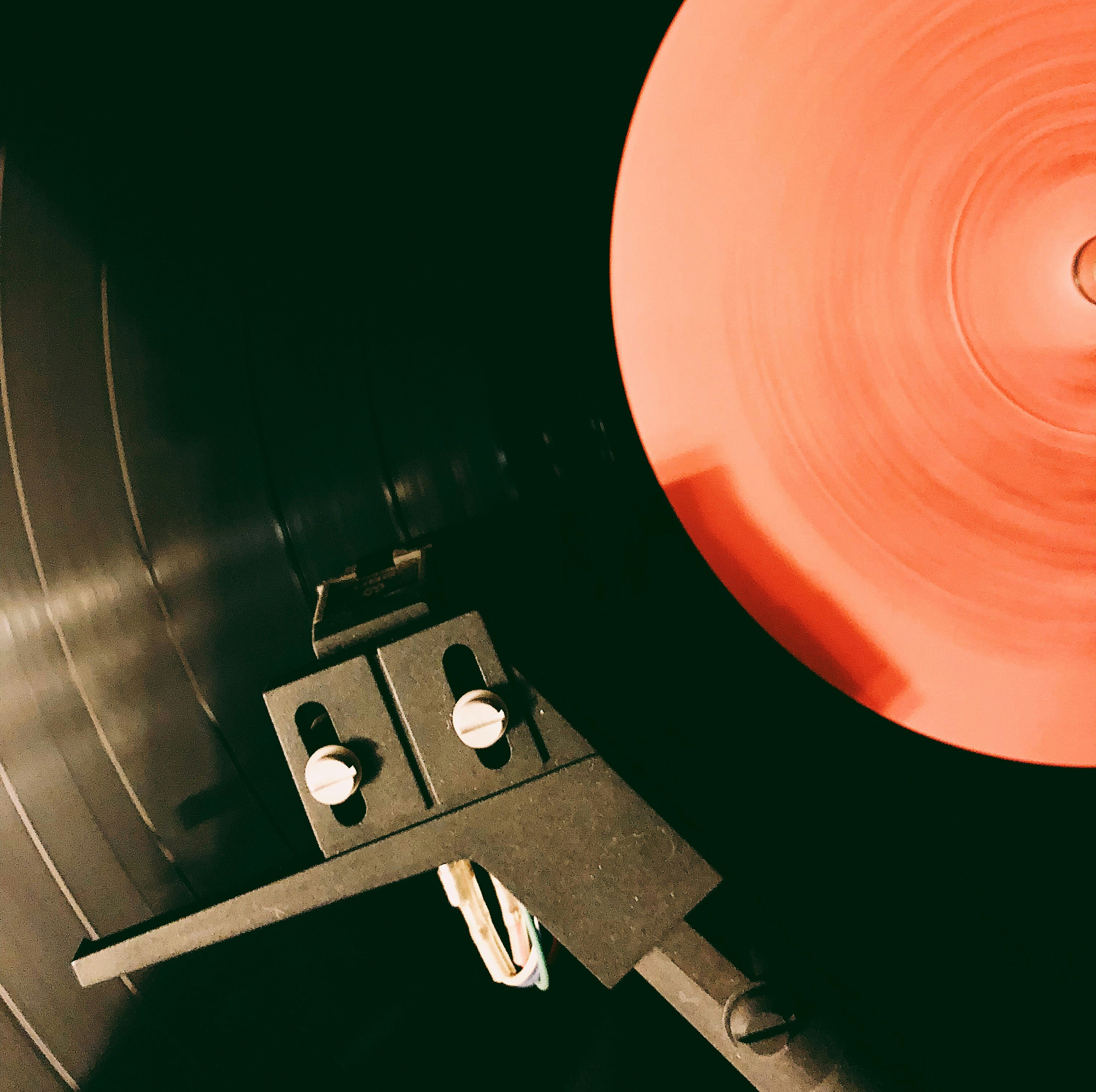
R&B began in the 1940s as a vibrant new sound created within African American communities, blending elements of blues, jazz, gospel, and swing. It featured strong rhythms, soulful vocals, and electrified instruments, capturing the energy of growing urban life. This early style became the foundation for later genres like soul, funk, rock and roll, and modern R&B, shaping the direction of American popular music.
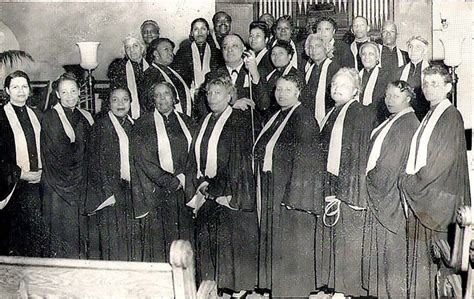
Early gospel music grew out of Black church traditions in the early 20th century, blending spirituals, blues, and call‑and‑response worship. It was powered by soulful vocals, hand‑clapping rhythms, and deeply expressive performances, often led by church choirs or charismatic soloists. This era laid the foundation for modern gospel, soul, and even R&B, shaping the emotional and musical language of American music.
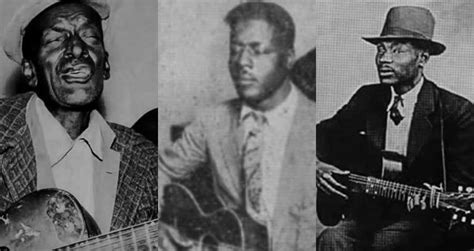
Early blues emerged in the late 1800s and early 1900s in the Deep South, rooted in African American work songs, field hollers, spirituals, and folk traditions. These images reflect the essence of that era: acoustic guitars, porch performances, solo singers, rural settings, and raw emotional storytelling. The musicians shown—like Blind Lemon Jefferson, Charley Patton, and other early bluesmen—represent the foundation of what would become one of America’s most influential musical genres.
The Blues
Sharing the struggle
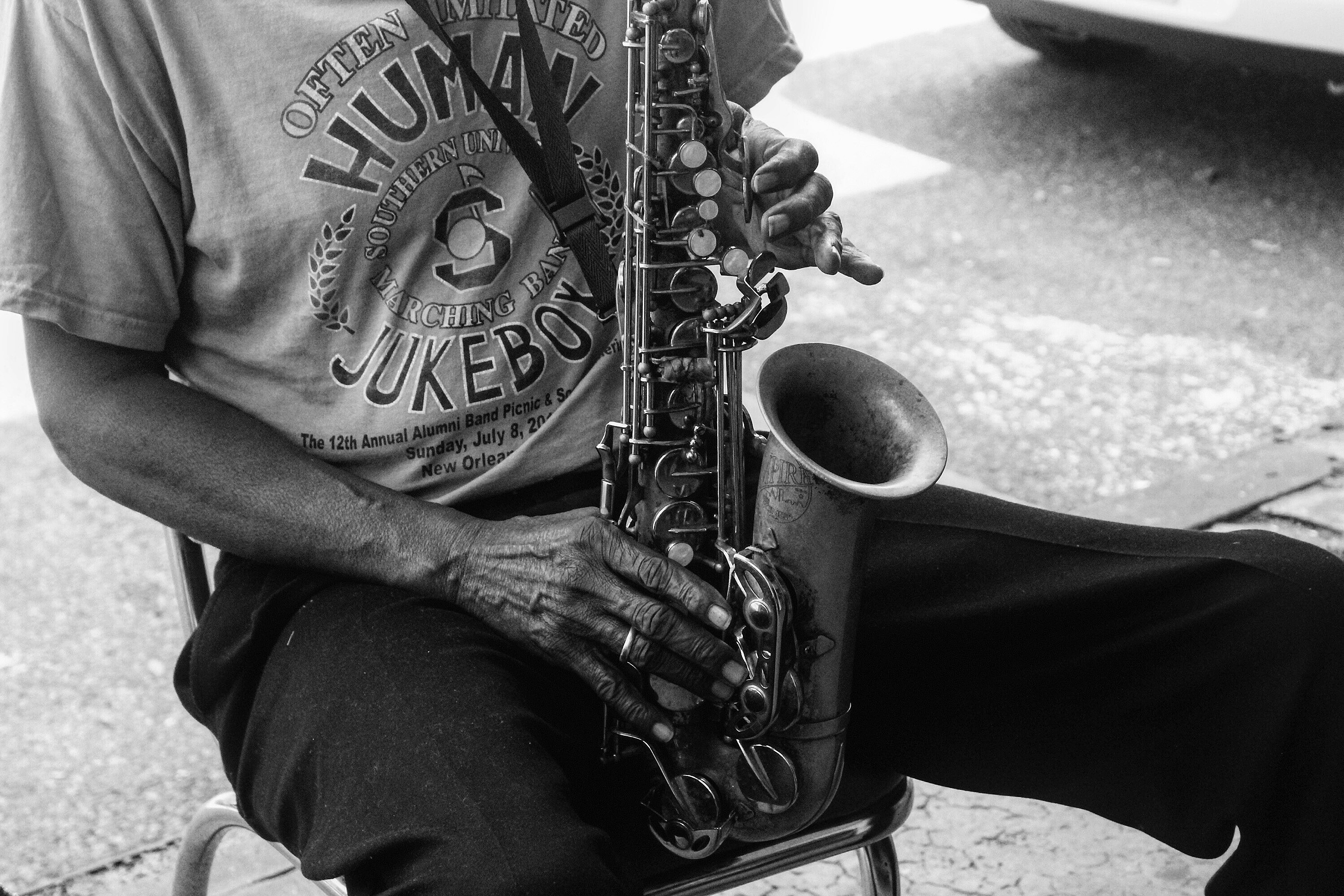
Early jazz developed in New Orleans in the early 1900s, blending African American blues, ragtime, and brass‑band traditions. Small bands featuring trumpet, clarinet, trombone, piano, banjo, bass, and drums created a lively, improvisational sound that filled dance halls, parades, and clubs. Pioneers like Louis Armstrong, King Oliver, Jelly Roll Morton, and Sidney Bechet helped shape the energetic, collective style that became the foundation of modern jazz.
Hip‑hop began in the early 1970s in the Bronx, created by Black and Latino youth who blended DJing, MCing, breakdancing, and graffiti into a new cultural movement. DJs like Kool Herc, Afrika Bambaataa, and Grandmaster Flash pioneered techniques such as breakbeats and scratching, while MCs added rhythmic spoken word over the music. Born at block parties, community centers, and park jams, early hip‑hop captured the energy, struggle, and creativity of urban life and grew into one of the most influential cultural forces in the world.
Black music is more than a soundtrack — it’s a living archive of resilience, creativity, and cultural truth. From the spirituals sung in fields to the soul-stirring grooves of Motown, from jazz improvisations to hip‑hop’s global pulse, every era carries stories that deserve to be protected and passed forward. Preserving this history isn’t just about remembering the past; it’s about honoring the artists, communities, and movements that shaped the world’s soundscape.
Community networking plays a powerful role in that mission. When people gather — whether at local events, radio shows, neighborhood centers, or online spaces — they create opportunities to share memories, uplift local talent, and educate younger generations. Conversations become bridges. Storytelling becomes preservation. Collaboration becomes legacy-building.
By connecting with elders who lived the music, supporting emerging artists who reinterpret it, and creating spaces where people can celebrate its roots, communities keep Black music alive and evolving. The more we network, the more we protect the culture — ensuring that the rhythms, voices, and innovations of Black music continue to inspire, empower, and unite.